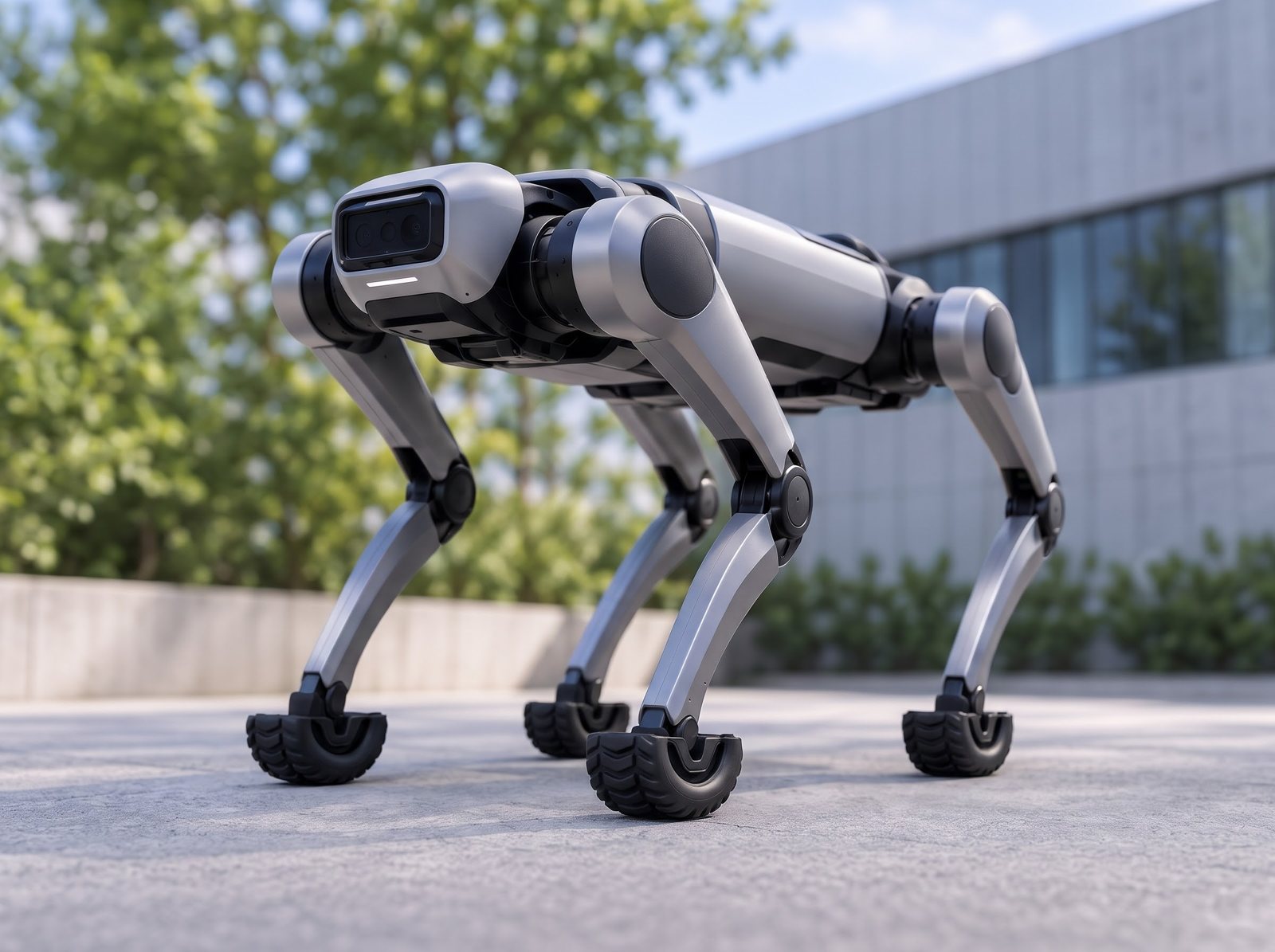
Robot dogs are hard on their feet.
They trot, jump and turn on concrete, gravel, stairs and wet ground, all day. Standard pads give up first.
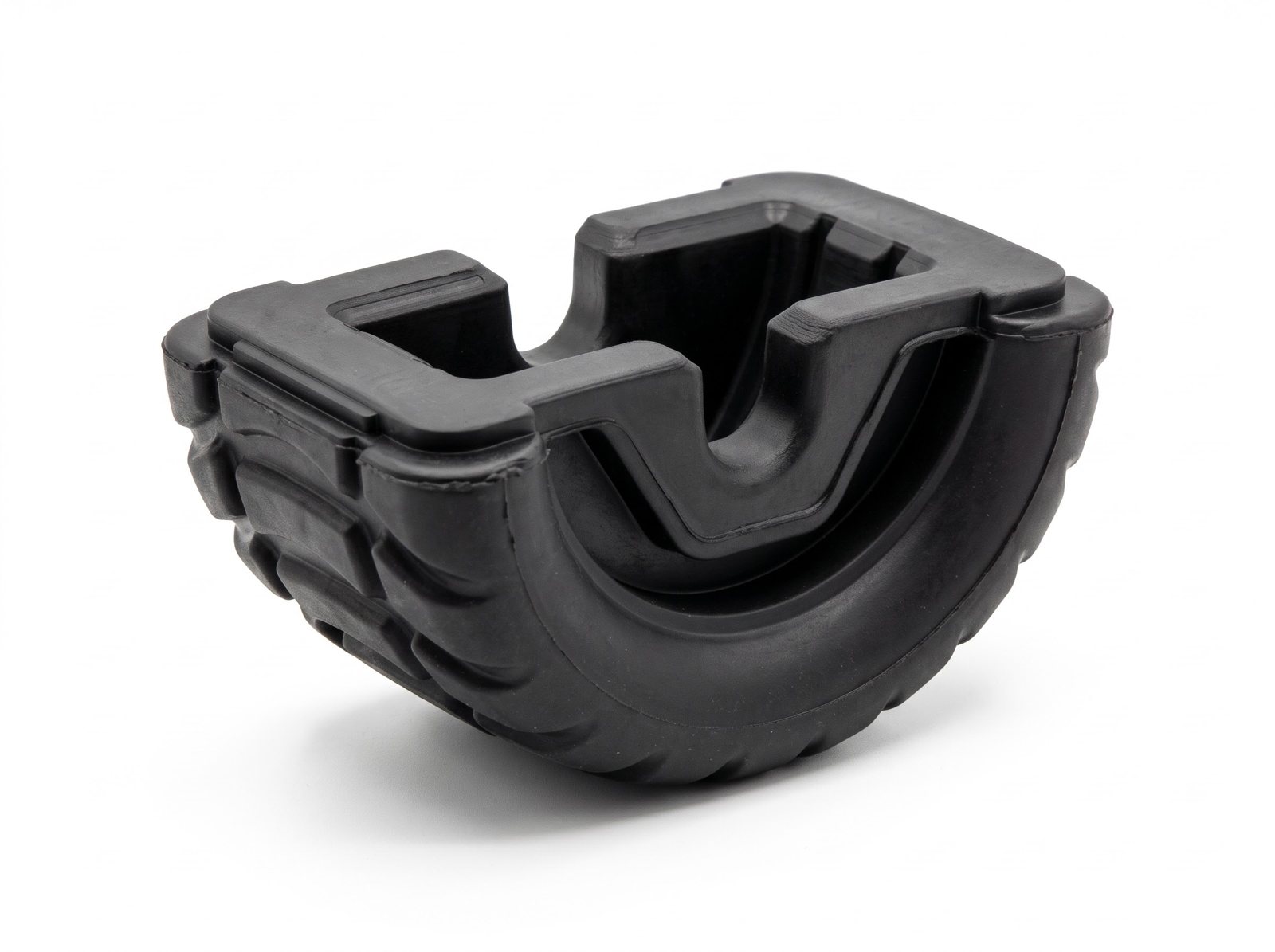
Cushioned at the core
A 40A layer that absorbs the shock before it reaches the leg.
A skin that lasts
A 70A wear layer with abrasion as low as 0.03 cm³ in lab tests.
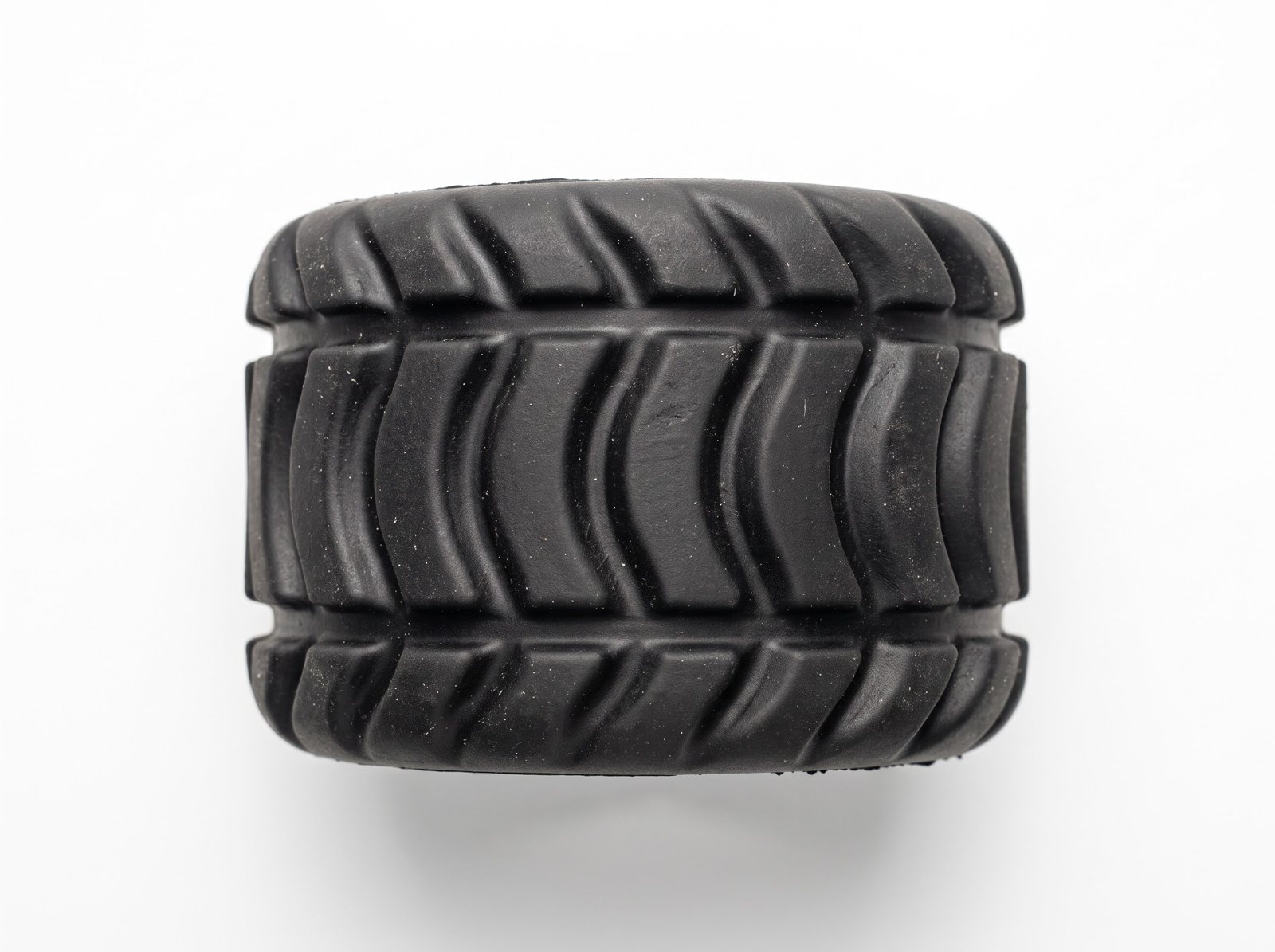
Grip in the wet
Formulated for wet traction, with about twice the wet-grip index of a TPU pad.
Soft inside. Tough outside.
The recommended stack. Hover a layer to see where it sits.
Aluminum skeleton
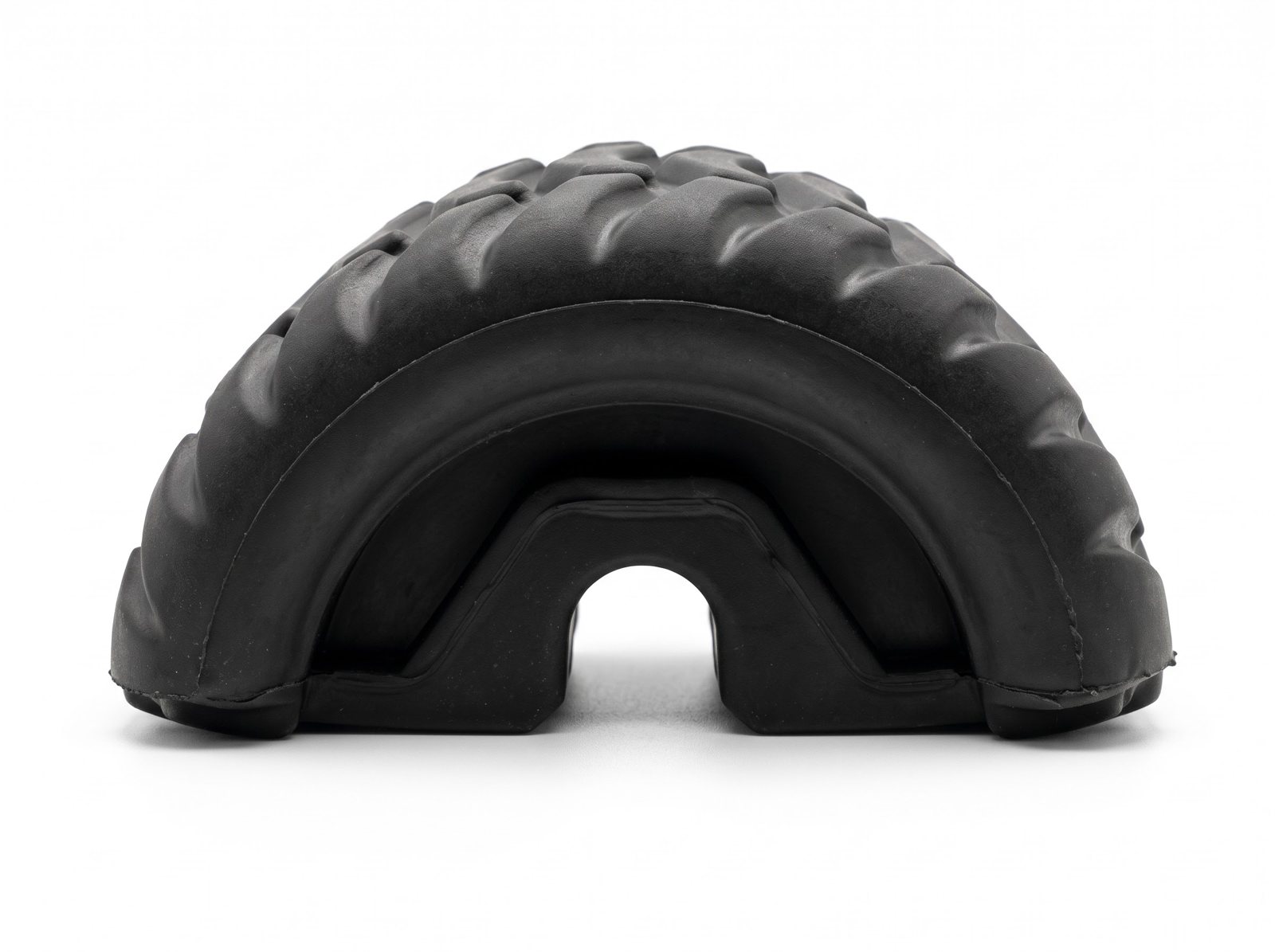
Your robot’s foot structure. The pads mold around it.
ZL-PAD-40A · cushion layer
Shore A 40 ± 5. 500% elongation. Absorbs and silences every landing.
ZL-PAD-70A · wear layer
Shore A 70 ± 5. The contact skin: grip, abrasion resistance and long life.
Measured, not promised.
Lab results from RobotSole’s own testing, against common pad materials.
Wear
Akron abrasion, cm³ per 1.61 km (GB/T 1689). Lower is better.
Wet grip
Wet-slip index at 0 °C (tan δ, DMA). Higher is better.
Performance figures are RobotSole targets and lab measurements from its own testing. Full test reports available on request.
Two compounds, one system.
Typical values. Custom hardness and shapes on request.
| Property | ZL-PAD-40A · cushion | ZL-PAD-70A · wear |
|---|---|---|
| Hardness | Shore A 40 ± 5 | Shore A 70 ± 5 |
| Density | 1.2 ± 0.1 g/cm³ | 1.2 ± 0.1 g/cm³ |
| Tensile strength | 8 MPa | ≥10 MPa |
| Elongation at break | 500% | ≥300% |
| Compression set, 70 °C × 24 h | 20% | 15% |
| Working temperature | −45 to 140 °C | −45 to 140 °C |
Why not just rubber, silicone or PU?
Each common material fails somewhere. The ZL-PAD system is formulated to avoid all four trade-offs.
Nitrile rubber
Good wear and oil resistance, but turns brittle and loses grip in the cold.
Silicone
Quiet and temperature-proof, but wears out fast.
Polyurethane
Tough and cushioned, but weak against water and UV.
Natural rubber
Grips on dry indoor floors, but ages in sun and oil.
ZL-PAD system
Cushion and wear in two dedicated layers, tuned for outdoor, wet and cold work.
From first conversation to production.
We fit the pads to your robot’s foot geometry, together with your team.
- 01
Let’s define it together
Day 0No specs yet? We work them out with you: foot geometry, robot weight, floors and use case. From the first conversation, we are your footwear partner.
- 02
Prototype on your robot
~5 working daysA first fitted pair to test on your robot and on your floors, with our support in the U.S.
- 03
Your own tooling
15–25 working daysCustom molds for your foot and your colorway, when you need a perfect fit at scale.
- 04
Production
~7 working daysUp to 1,000 pairs per run, with import and customs handled by us. Repeat orders on demand.